

Prepared by TierOne Real Estate
Supporting rental owners across Salt Lake and the Wasatch Front for more than 20 years
Many rental owners notice that homes lease faster in late spring and summer than they do during winter. This pattern is normal across the Wasatch Front rental market and reflects seasonal renter behavior rather than property performance issues.
The good news is that winter vacancy in Salt Lake and the Wasatch Front is predictable, not permanent.
Understanding seasonal leasing timing helps owners:
reduce avoidable vacancy
set realistic expectations
choose optimal listing windows
price strategically during slower months
Across northern Utah rental cycles, winter placement timing is one of the most misunderstood drivers of vacancy exposure.
Quick Answer: When Is Vacancy Highest in the Wasatch Front?
Most rental properties lease fastest between:
May and September
Leasing activity typically slows between:
October and February
Winter vacancy increases because fewer households relocate during colder months—not because demand disappears.
This distinction matters when planning rental pricing and marketing strategy.
Key Takeaways
Rental properties across the Wasatch Front typically lease fastest between May and September, with leasing activity slowing between October and February.
Winter vacancy reflects seasonal renter behavior — school-year stability, weather-related moving difficulty, and holiday-season delays — not property or pricing problems.
Pricing accuracy becomes more important during winter leasing periods, when smaller differences can have a greater influence on placement speed.
Property readiness and showing availability are the strongest tools owners have to shorten winter placement timelines.
Most winter placement delays are measured in weeks, not months, when pricing is accurate and maintenance is complete before listing.
Why Fewer Renters Move During Winter Months

Several predictable behavioral factors affect winter relocation decisions.
1. School-year stability
Families with children prefer moving between school years when possible. This concentrates relocation activity into late spring and summer, creating stronger summer demand, fewer winter applicants, and shorter summer vacancy timelines across the Wasatch Front rental market.
2. Weather-related moving difficulty
Northern Utah winter conditions influence relocation timing.
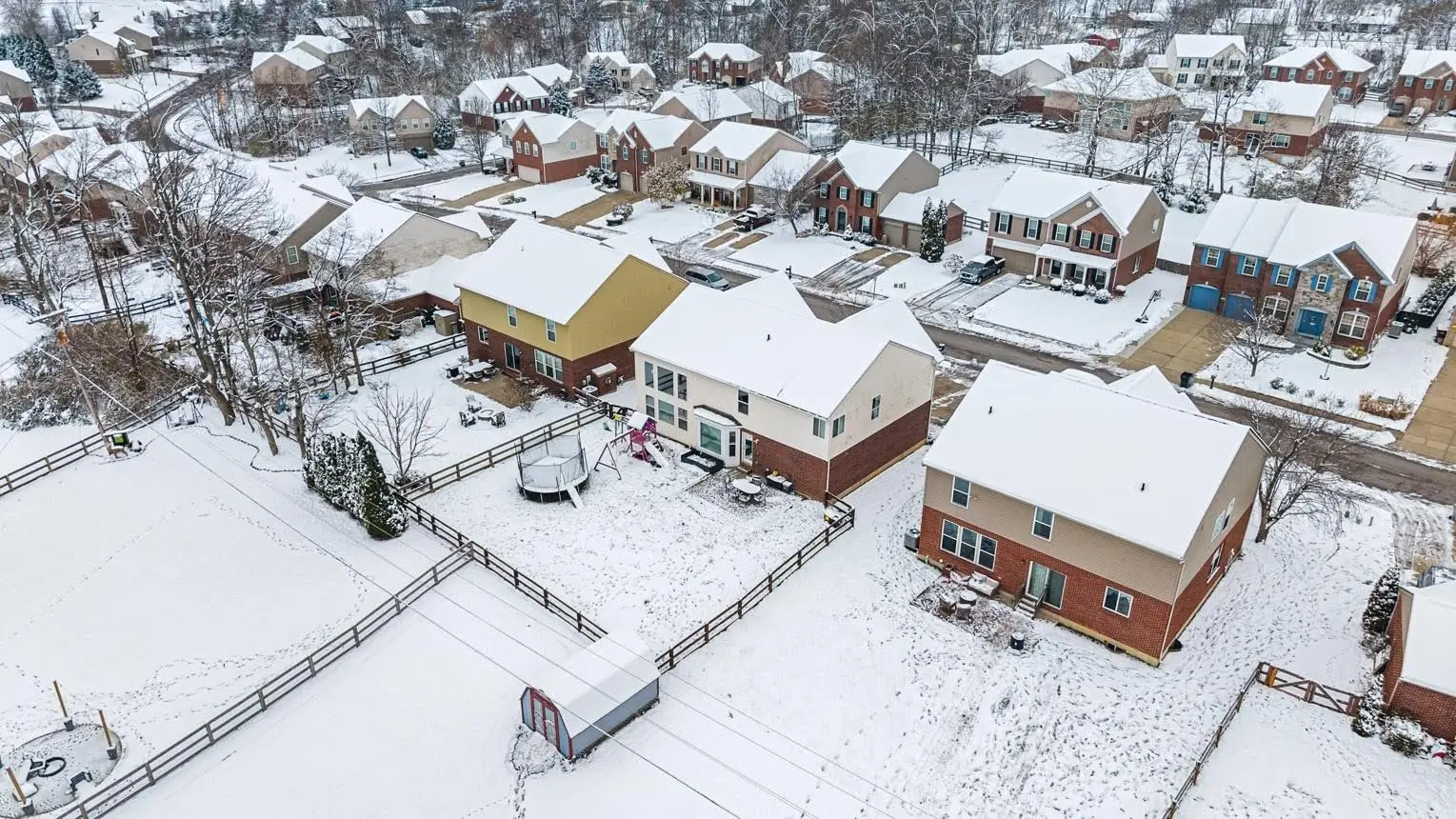
Snow, colder temperatures, and shorter daylight hours make moving logistics more difficult. Many households delay relocation until conditions improve.
3. Reduced corporate relocation cycles
Employer transfers and professional moves often align with:
fiscal calendars
academic calendars
hiring season cycles
These patterns typically peak outside winter months.
4. Holiday-season decision delays
Between Thanksgiving and early January, many renters postpone housing decisions.
This creates a temporary slowdown that affects showing traffic, application volume, and placement speed.
What This Means for Rental Owners
Winter vacancy does not usually indicate a pricing mistake or property issue. It reflects seasonal leasing cycle timing.
Across the Wasatch Front rental market, placement timelines often extend modestly between October and February, even when properties are priced correctly.
How Pricing Strategy Changes During Winter Leasing Months
Pricing accuracy becomes more important during winter leasing periods.
Because fewer renters are actively moving:
small pricing differences can influence placement speed more than they do during summer months.
Typical winter strategy adjustments include:
tighter pricing alignment with market comparables
increased showing availability flexibility
faster maintenance readiness between tenants
Across properties managed throughout the Wasatch Front, accurate winter pricing often shortens placement timelines more than additional marketing exposure alone. Use our vacancy loss calculator to see how even a few extra weeks of vacancy affect your annual rental income.
Maintenance Readiness Has a Larger Impact During Winter Placement Windows
Winter leasing timelines are especially sensitive to property readiness.
Common placement delays during colder months include:
unfinished turnover repairs
deferred maintenance items
exterior access challenges due to snow conditions
Preparing the property before listing improves showing effectiveness during slower leasing periods.
This is why maintenance coordination between tenants directly influences vacancy timing.
Showing Availability Matters More When Applicant Volume Is Lower
During peak leasing months, multiple renters may compete for the same property. During winter months, fewer applicants are touring properties at the same time, which makes showing availability more important.
Flexible scheduling helps reduce missed placement opportunities. This is one reason professional showing coordination systems often improve placement timelines during slower seasons.
Why Winter Vacancy Often Costs Less Than Owners Expect
Many owners assume winter vacancies will last several months.
Across the Wasatch Front rental market, most winter placement delays are measured in weeks, not seasons.
Especially when:
pricing is accurate
maintenance is complete
showing availability is flexible
Understanding this helps owners avoid unnecessary pricing reductions.
When Owners Should Consider Listing Before Winter Begins
Listing timing can influence placement success. Across northern Utah leasing cycles, owners often benefit from listing before late October when possible, allowing placement during stronger early-fall demand before the winter slowdown begins.
That said, strong placement outcomes still occur throughout winter with accurate pricing and preparation.
How Seasonal Vacancy Connects to Annual Rental Performance
Seasonality is one reason vacancy timing often has a larger impact on annual rental income than small management fee differences.
Understanding placement timing helps owners:
plan maintenance schedules
prepare reserves
coordinate lease renewals
avoid unnecessary downtime between tenants
These planning decisions support long-term rental stability.
How TierOne Typically Helps Owners Reduce Seasonal Vacancy Exposure
Across properties supported throughout Salt Lake and surrounding Wasatch Front communities, the strongest predictors of consistent placement timing include:
accurate initial pricing
maintenance readiness before listing
flexible showing coordination
season-aware leasing strategy
These factors often shorten placement timelines even during slower winter leasing months.
Frequently Asked Questions About Winter Rental Vacancy
Is it harder to rent a property during winter in northern Utah?
Leasing activity slows seasonally, but well-prepared and accurately priced properties still lease consistently during winter months.
Should owners lower rent during winter?
Pricing decisions depend on comparable properties currently competing in the market. Seasonal adjustments are sometimes appropriate but are not always necessary.
Do fewer renters move between November and February?
Yes. Relocation activity typically decreases during winter across the Wasatch Front rental cycle.
Does maintenance readiness affect winter placement speed?
Yes. Property readiness becomes more important when applicant volume is lower.
Planning Around Seasonal Leasing Patterns in the Wasatch Front
Winter leasing slowdowns are predictable — not permanent.
Across the Wasatch Front rental market, owners with the most stable year-round occupancy are typically those who plan around seasonal timing, maintenance readiness, accurate pricing, and flexibility in showings.
Understanding how these factors interact helps reduce vacancy exposure across every leasing season. If you'd like help building a season-aware leasing strategy for your rental, reach out to TierOne Real Estate and let's talk through your options.
Additional Resources
Salt Lake Real Estate Market Forecast 2026: Rent Trends, Vacancy Rates & Rental Demand
Salt Lake City's Affordability Crunch: Why Demand for Well-Priced Rentals Is Staying Strong
How Much Does Property Management Cost in Salt Lake and the Wasatch Front?